Pune's Wadas ancestral courtyard mansions from the Maratha Peshwa era are quietly disappearing in plain sight.
Why
Wadas?
During pilot research across Maharashtra's heritage sites, we noticed a clear imbalance. Temples thrive institutionally maintained, ritually attended.
So we picked the underdog. Not because they're prettier, but because they're the most at-risk and the least understood.
- 01Hidden in plain sight. Entrances are unmarked, often shared with shops or homes.
- 02No institutional patron. Unlike forts (UNESCO) or temples (trusts), Wadas have no dedicated preservation body.
- 03A living typology, not a ruin. Many Wadas still house families, shops, or offices.
Double Diamond,
walked twice.
We structured our work along the four stages of the Double Diamond.
Field & context
Three site visits, conversations with 15+ residents.
Synthesis
From scattered field notes to clear personas and journeys.
Ideation
Wide-net brainstorming, structured ideation, dot voting.
Concepts
Three concepts developed; one selected as lead direction.
What the
field told us.
We immersed ourselves in three Wadas — observing how visitors moved.
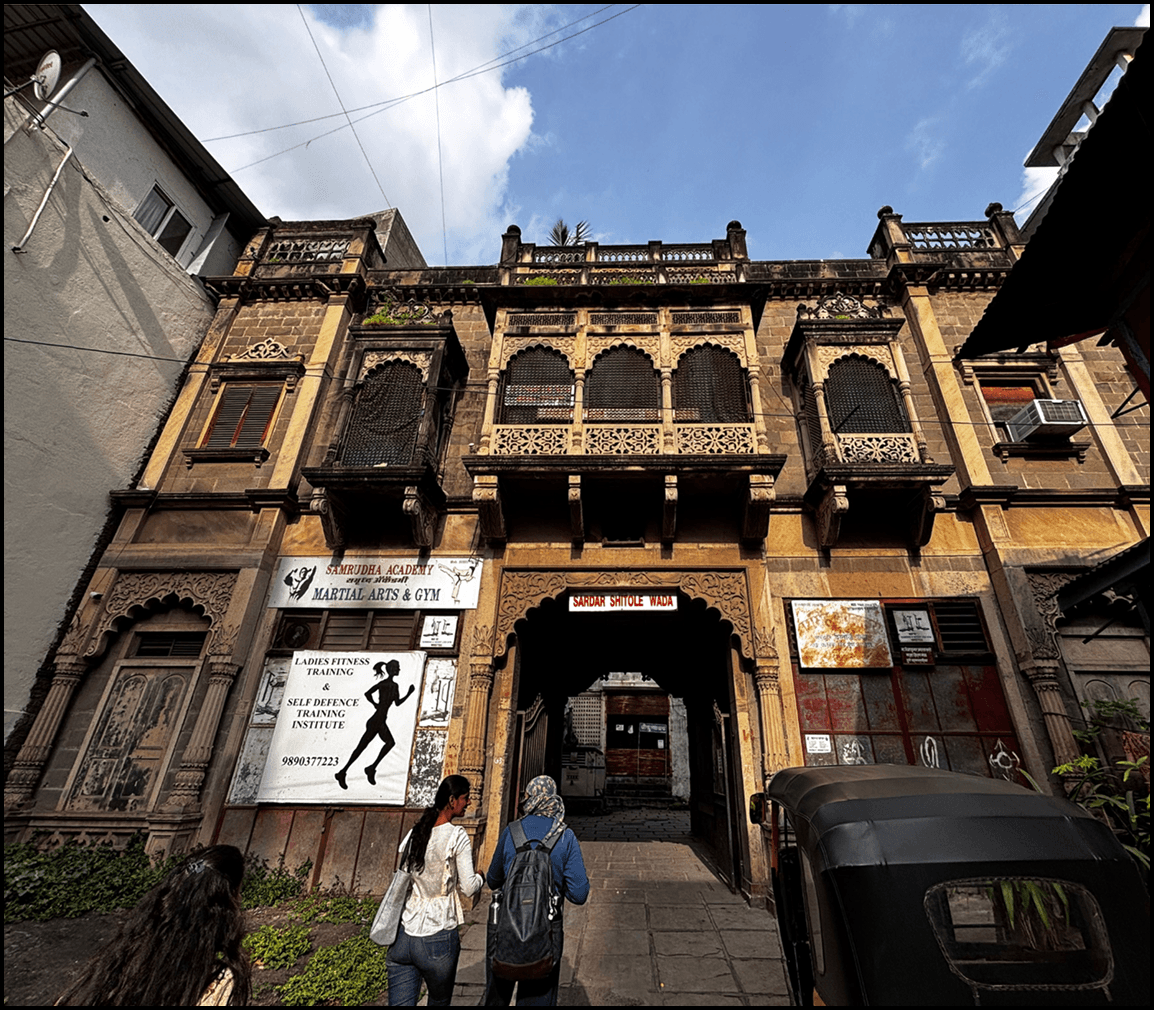
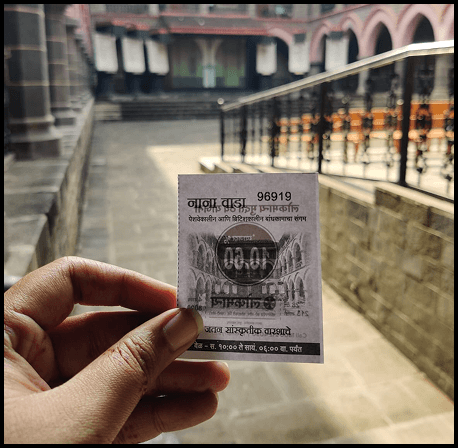
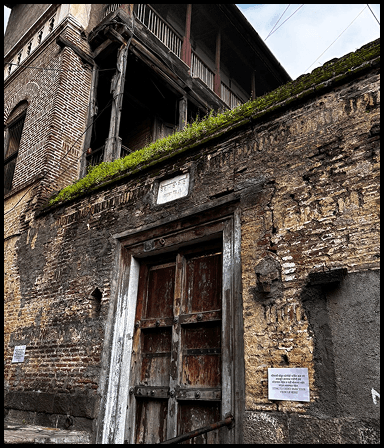
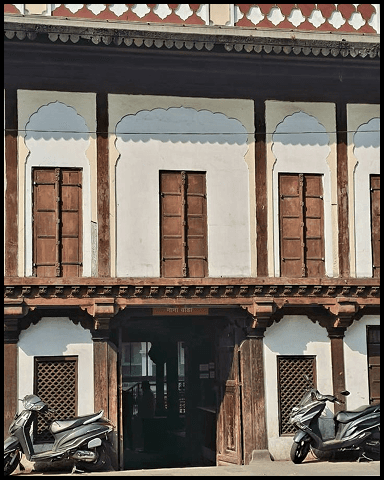
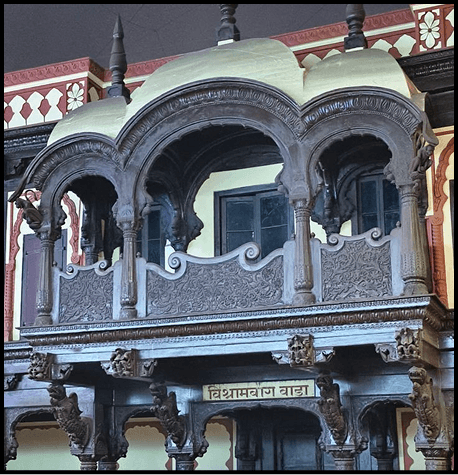
Four observations that shaped everything after
Hidden in plain sight
Entrances are obscured or share frontage with shops.
No context, no connection
Renovated wings sit beside crumbling ones with no signage.
Photos without meaning
Young visitors treat courtyards as backdrops.
Community, but quietly
Families, elders, vendors still gather inside.
What people actually said.
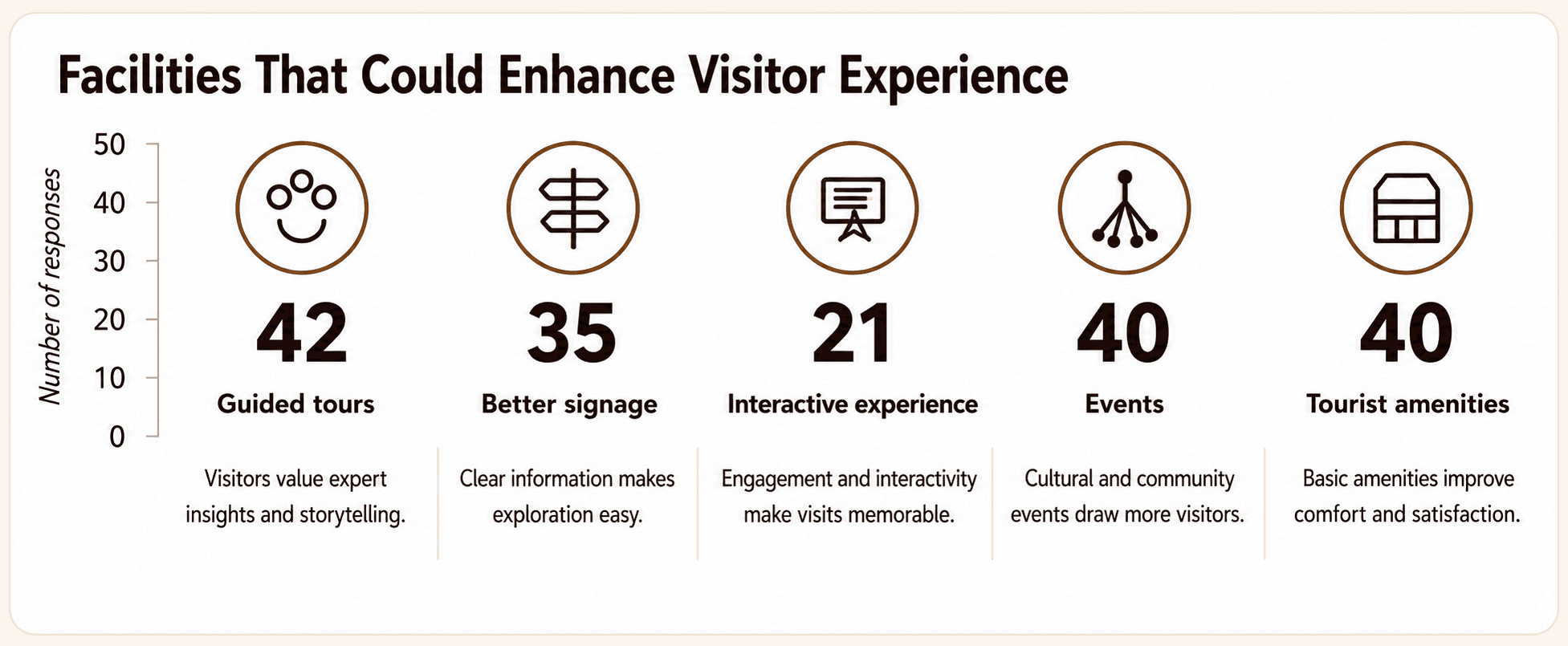
We supplemented contextual inquiry with a bilingual (English + Marathi) survey of Pune residents and visitors. The data confirmed following suspicions.
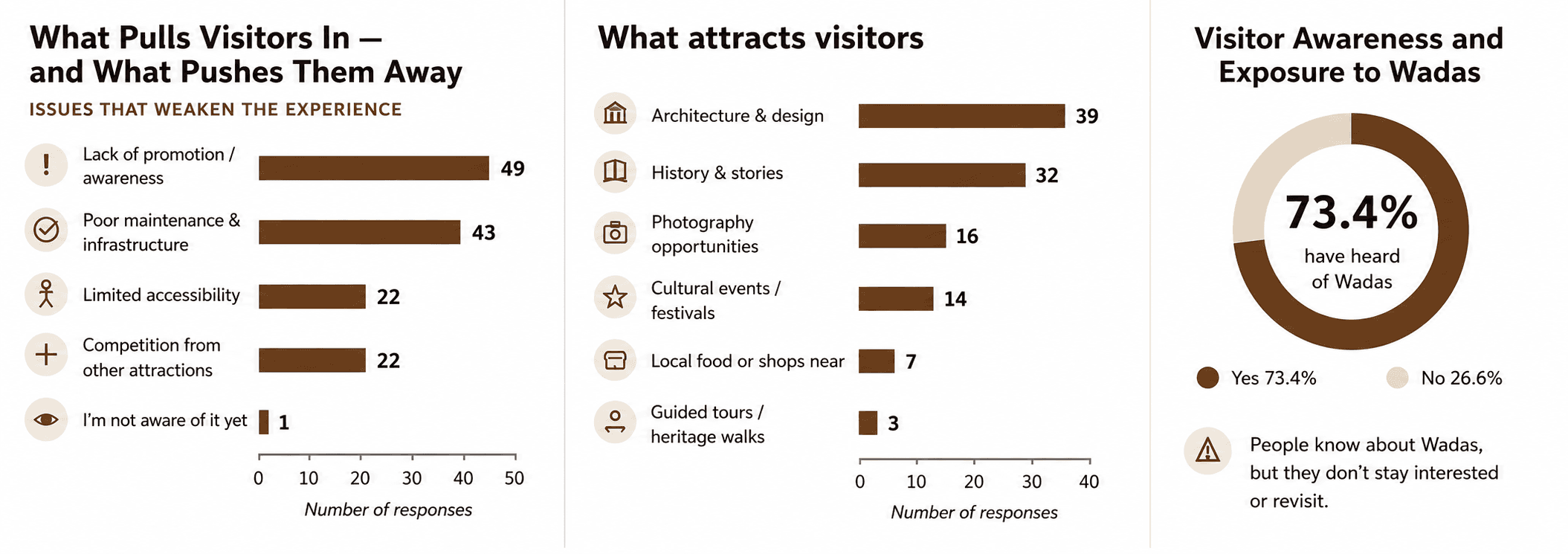
Historical importance, followed by architecture confirming that story is the hook, not aestxhetics alone.
Poor upkeep and missing information / signage / guides - basic infrastructure not concepts
Strong appetite for adaptive reuse like cafés, art galleries, community hubs — provided cultural integrity stays.
The people
we are designing for.
We built four personas. Two carried the most tension.

Goals
- Discover hidden cultural pockets
- Share on Instagram with story
- Learn for coursework
Frustrations
- No idea what I'm looking at
- No QR codes or context
- 15-minute photo stops
Quote
"I'd come back if there was a reason to."

Goals
- See the Wada respected
- Pass stories down
- Walk courtyards freely
Frustrations
- Decay and garbage
- Tourists without respect
- Younger gen not interested
Quote
"They take photos. They don't ask why the door is shaped that way."
Where curiosity dies a tourist's journey through a Wada.
We mapped three journeys; the festival visit was the most revealing.
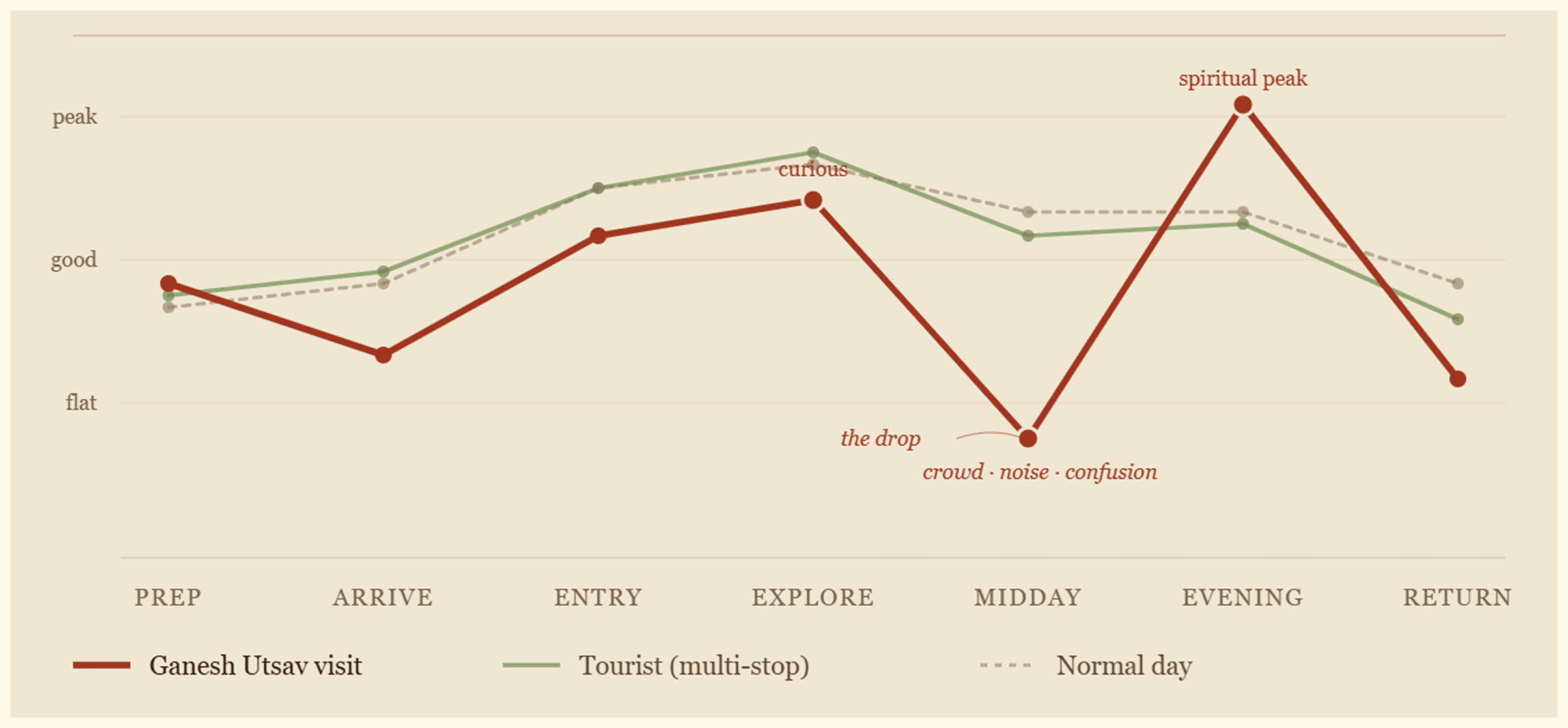
Pune's Wadas have everything heritage tourism needs — history, architecture, community — and almost nothing visitors need: context, navigation, a reason to return.
How might we…
create emotional connections between visitors and Wadas?
make Wadas visible and discoverable in the city?
turn passive sightseeing into active participation?
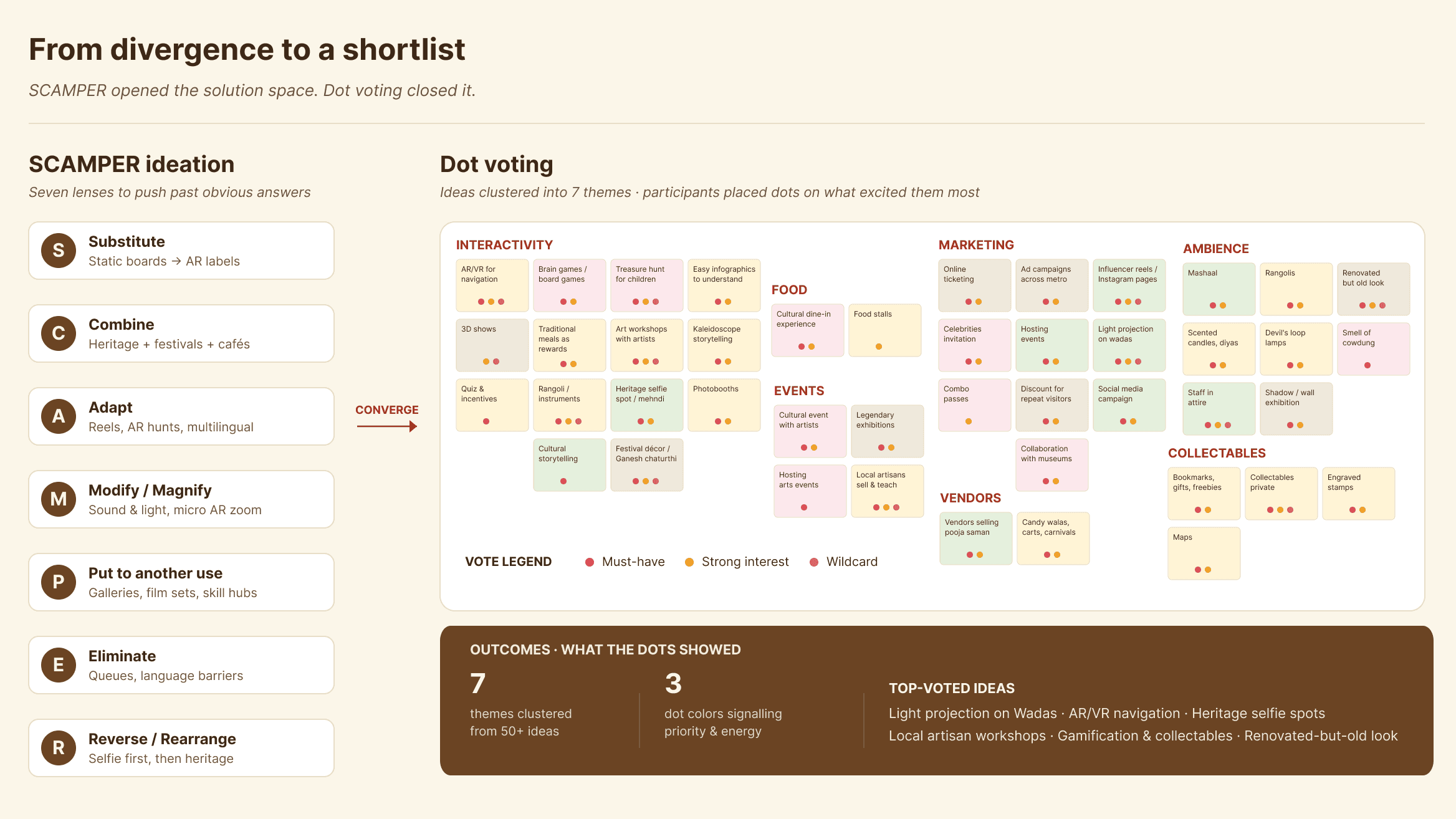
From 40 ideas
to 3 directions.
We diverged wide then clustered, voted, and converged.
Brainstorm
Open ideation across domains.
SCAMPER
Seven prompts applied to the experience.
Affinity
Grouped overlapping ideas.
Dot voting
Team voted on impact & feasibility.
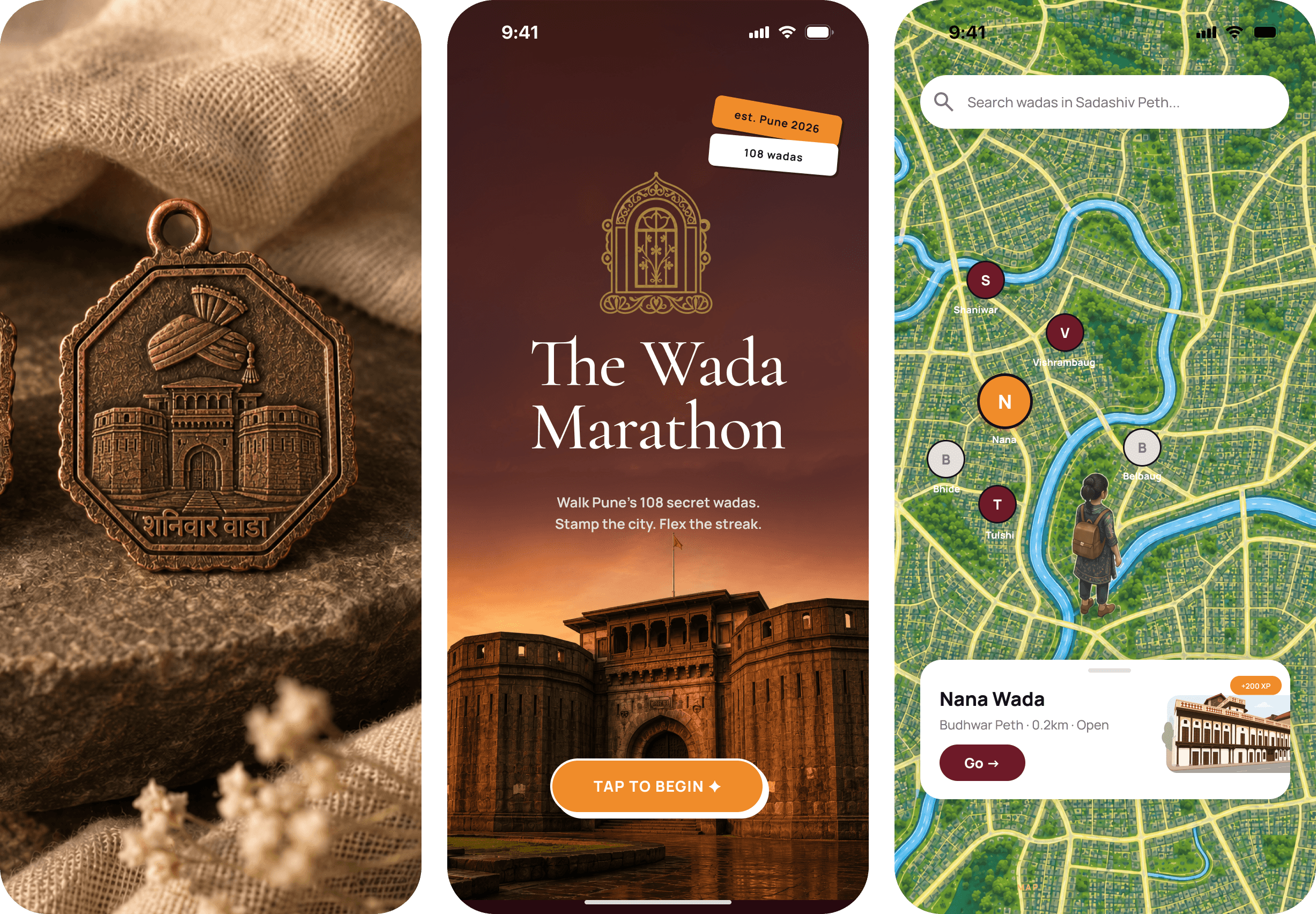
The four moments
that carry the experience.
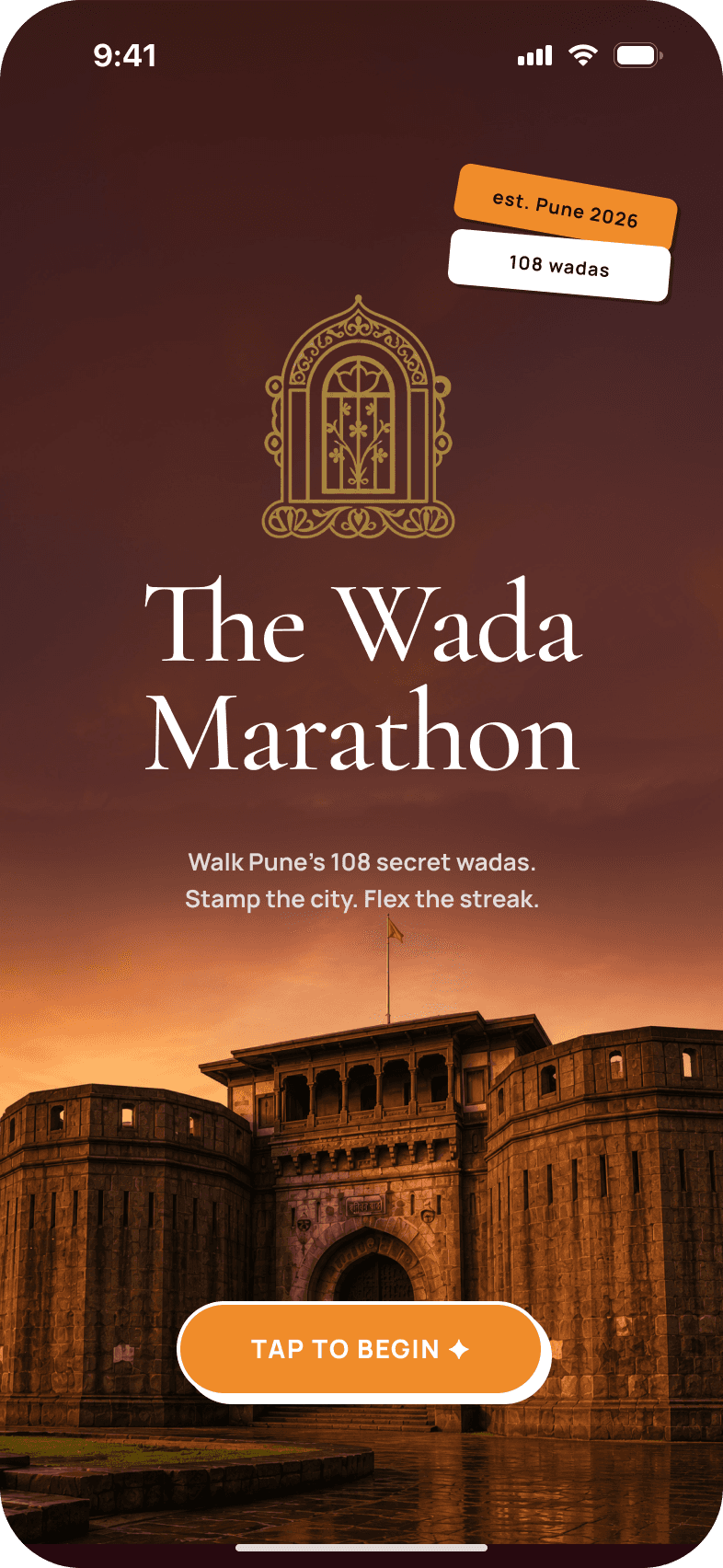
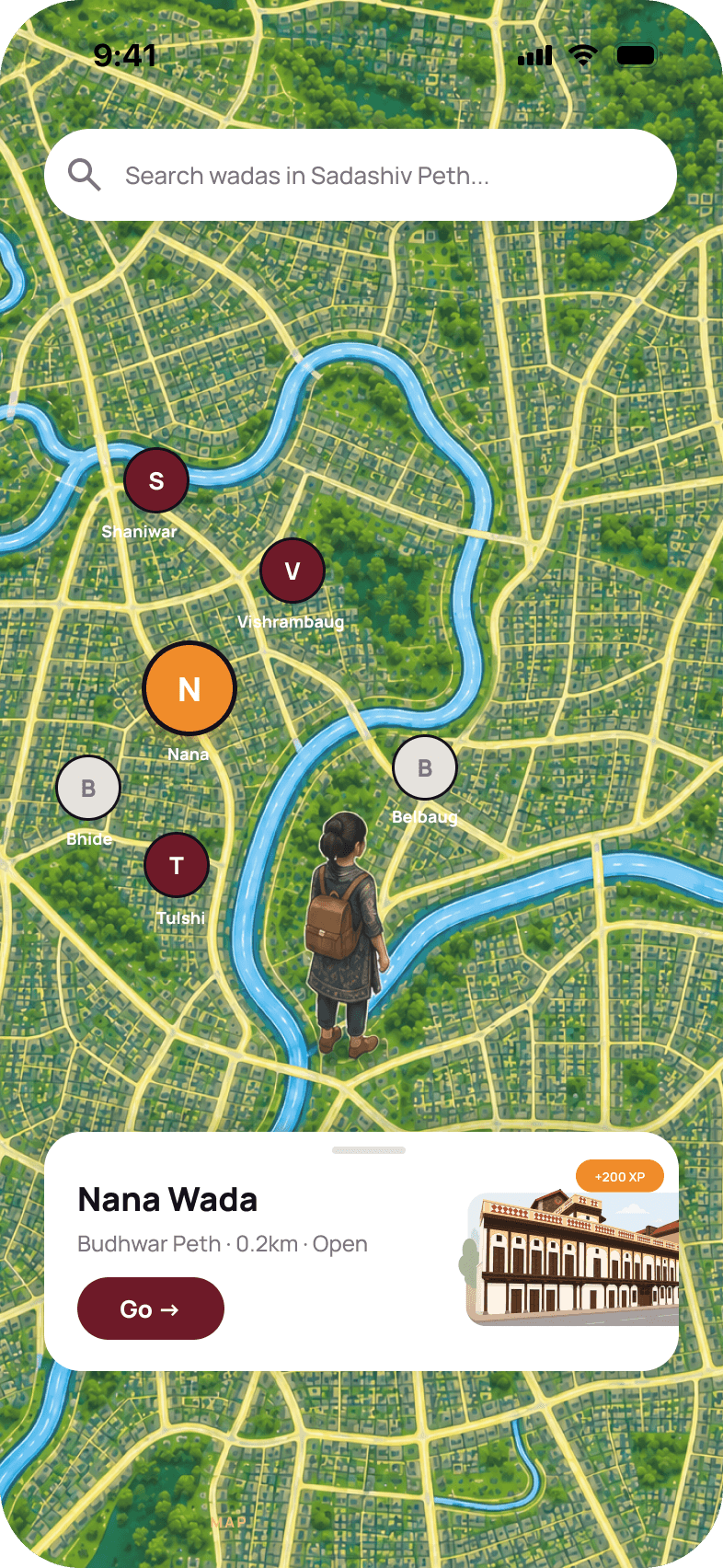
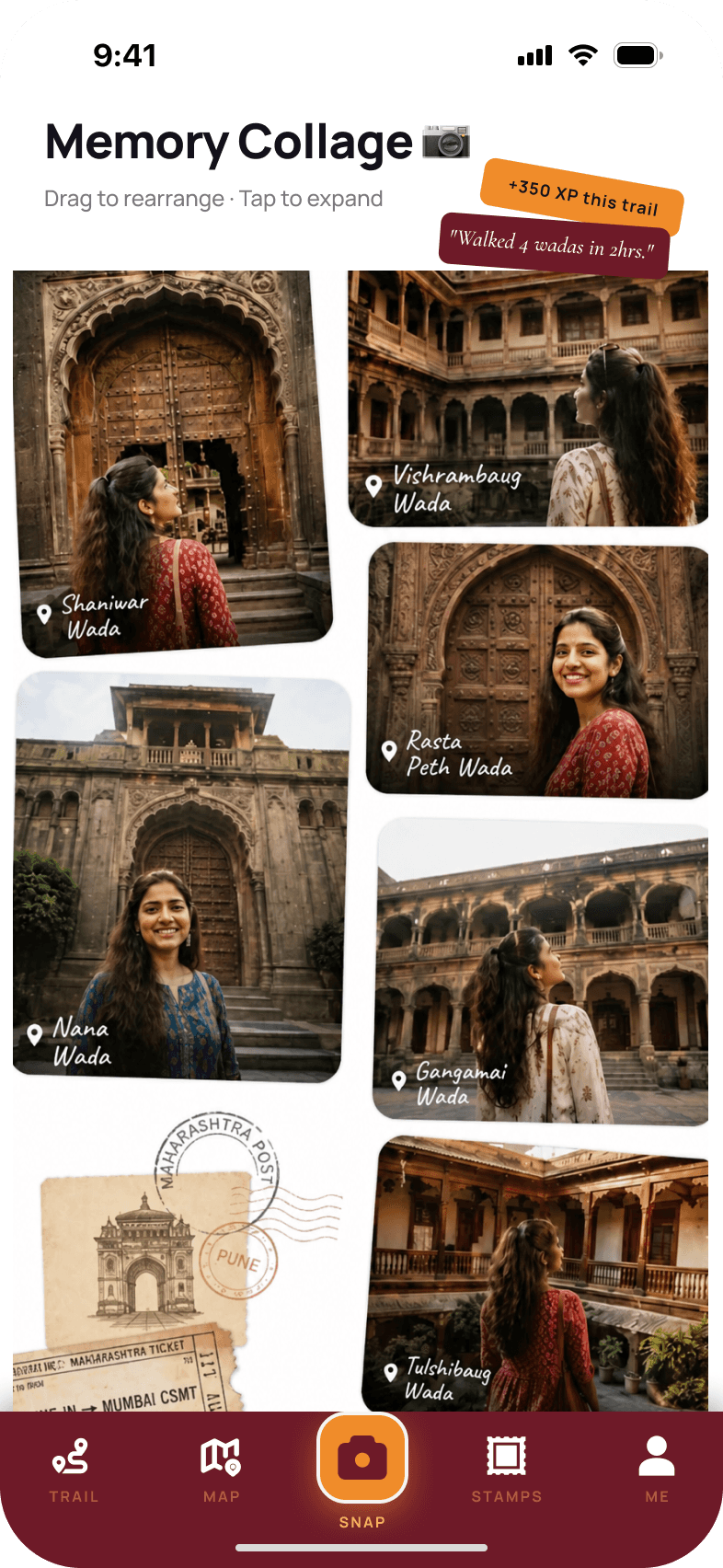
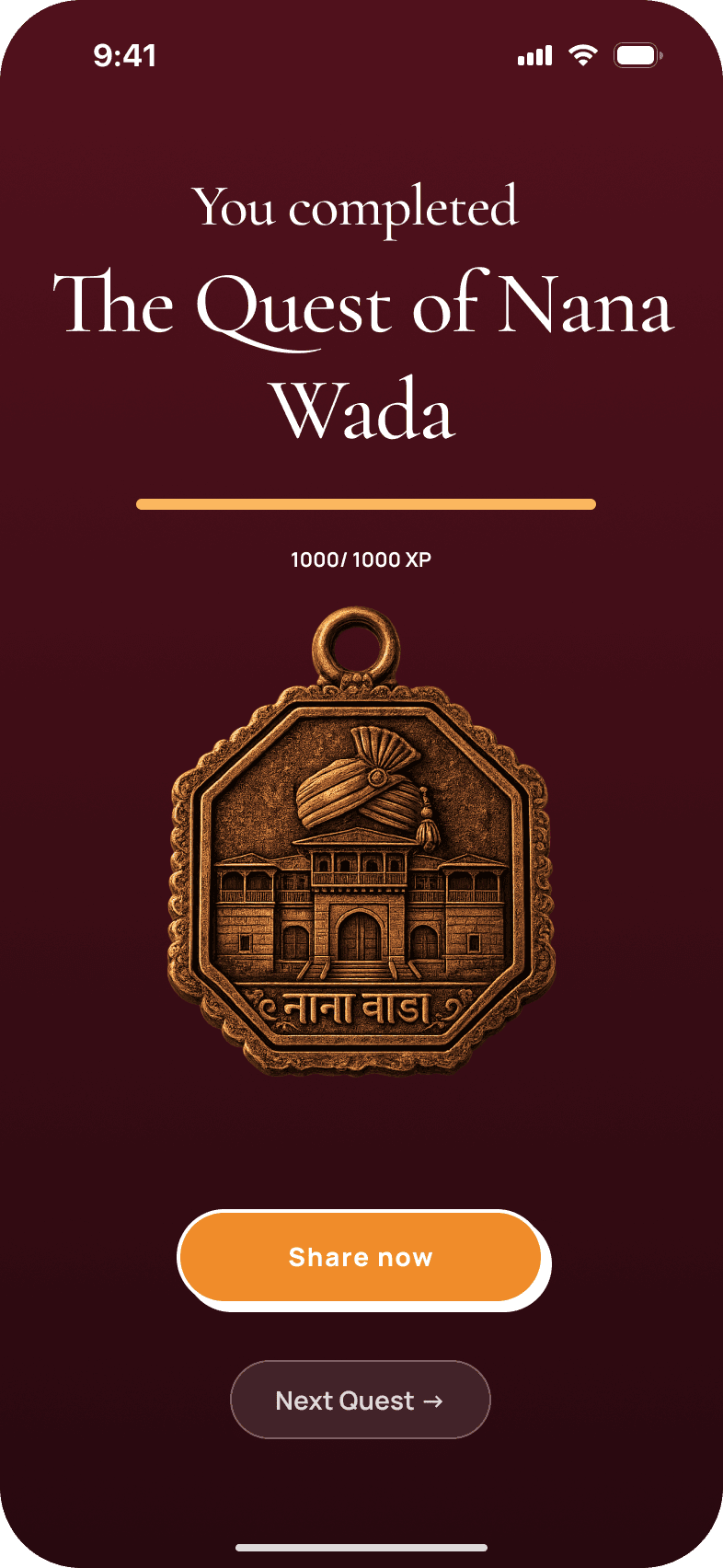
Every choice traces back to a field insight.
What we also explored.
Two further concepts from ideation.
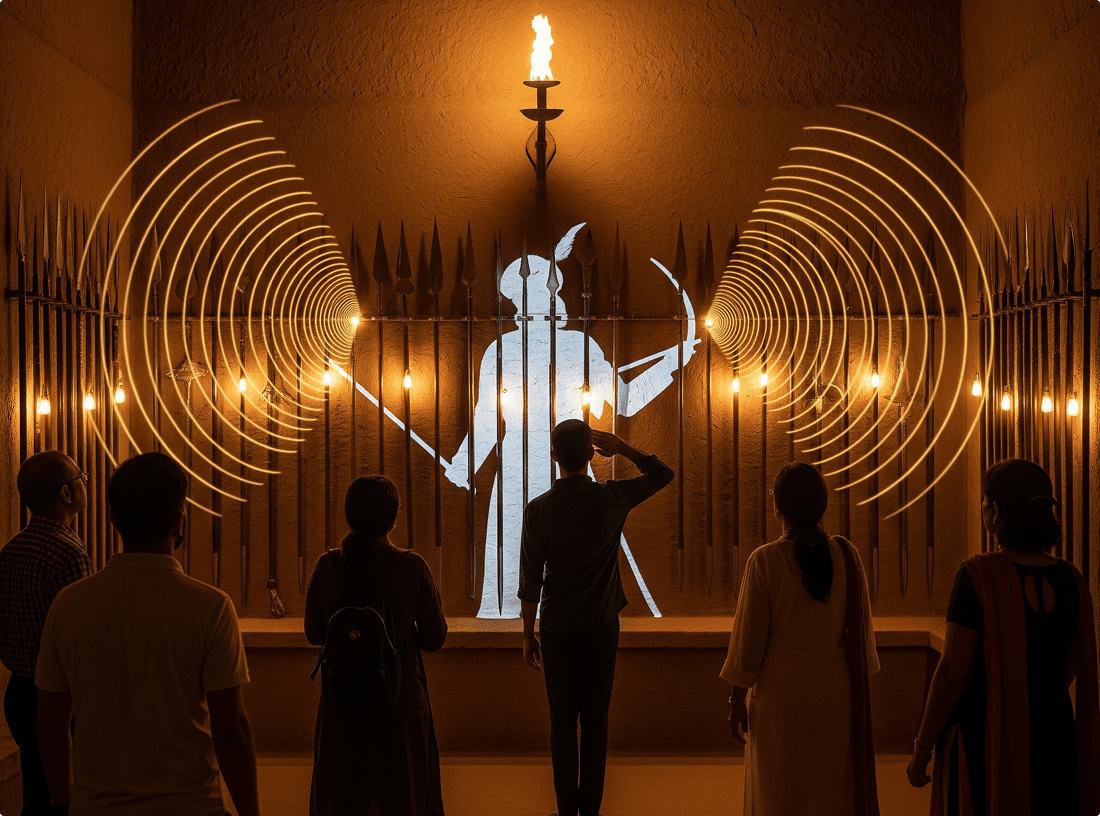
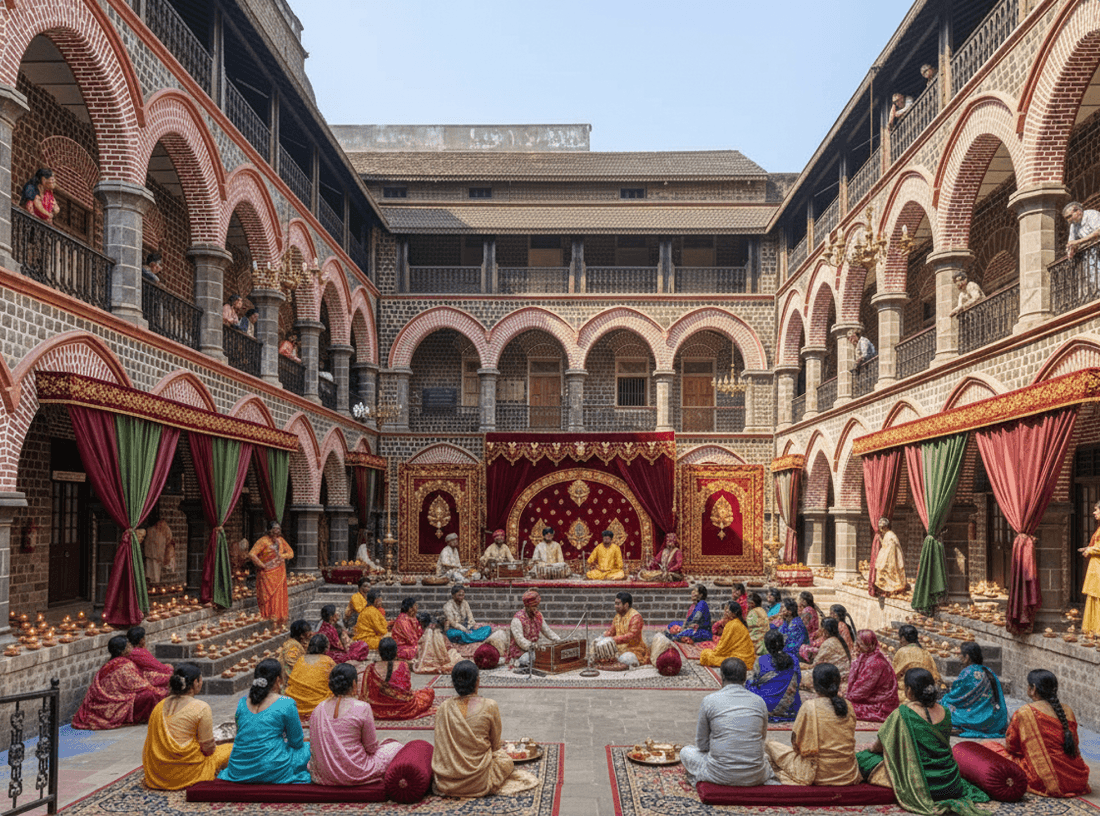
What this project taught us.
Heritage needs participation.
Sites that ask nothing get forgotten.
The brief is hiding in the field.
Three visits reframed the work.
Respect first, design second.
Every idea tested against the elder's pride.
Phygital wins where digital flattens.
The charm turns interaction into memory.